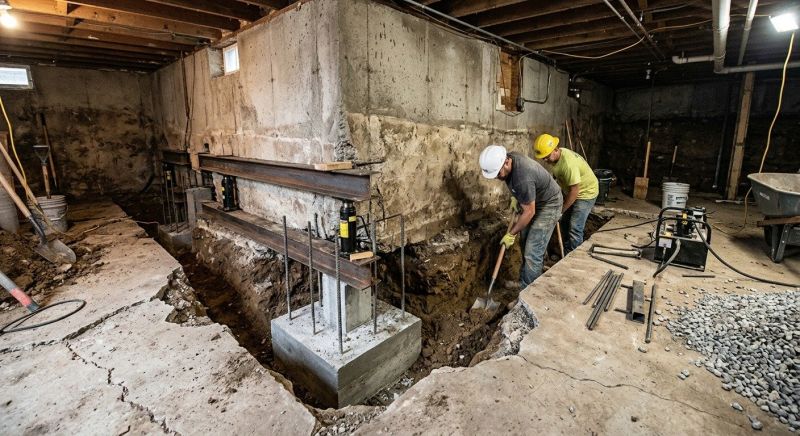
Basement Underpinning in Greenville, SC
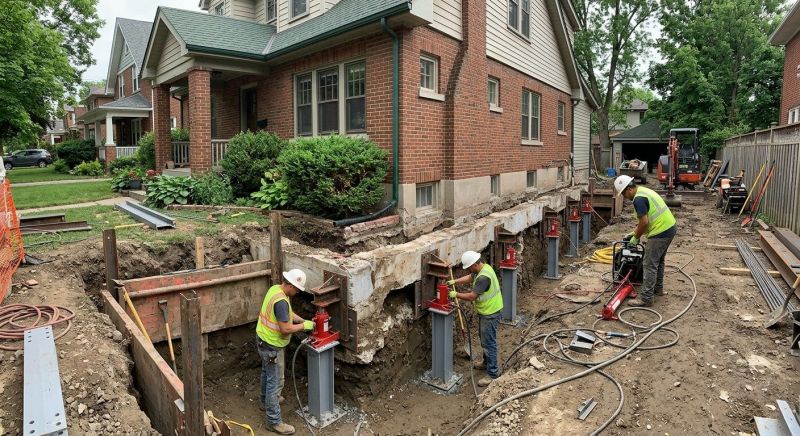
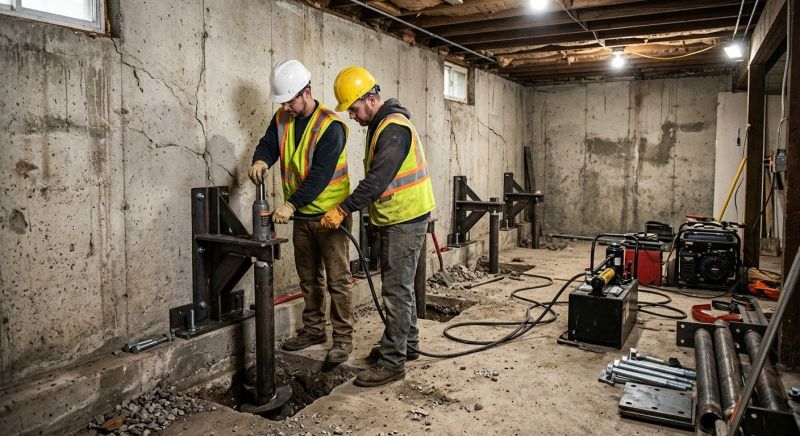
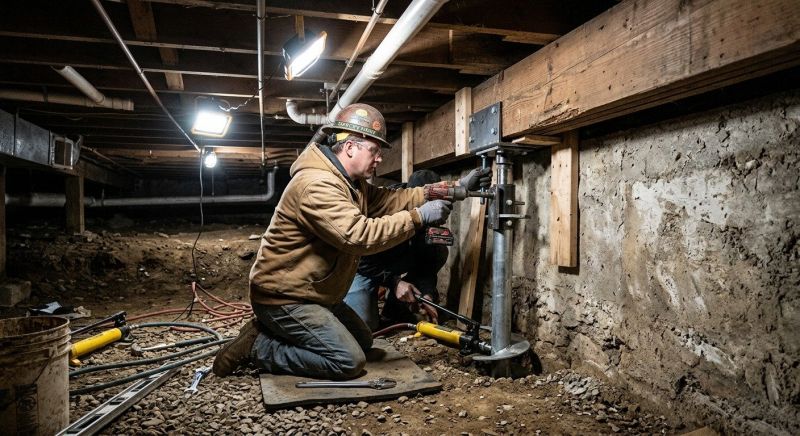
Basement underpinning services involve strengthening and stabilizing the foundation of a property by extending or replacing the existing basement walls. This process is commonly used to increase ceiling height, repair settling or shifting foundations, or prepare a basement for finishing or additional construction. Projects may include underpinning for homes experiencing uneven floors, cracks, or other signs of foundation movement, as well as renovations that require a more stable and level basement space. Property owners typically want to understand the scope of underpinning work, the methods used to ensure stability, and how the process might impact their property during and after the project.
Before requesting basement underpinning, homeowners often seek information about the causes of foundation issues, the types of underpinning techniques suitable for their property, and the expected outcomes. It’s important to consider factors such as the current condition of the basement, the extent of structural repairs needed, and any potential disruptions during construction. Clarifying these details can help property owners make informed decisions about the best approach to strengthen and stabilize their basement, ensuring long-term durability and safety.
Many property owners in Greenville, SC look into Basement Underpinning for repairs, replacements, upgrades, and appearance-related improvements.
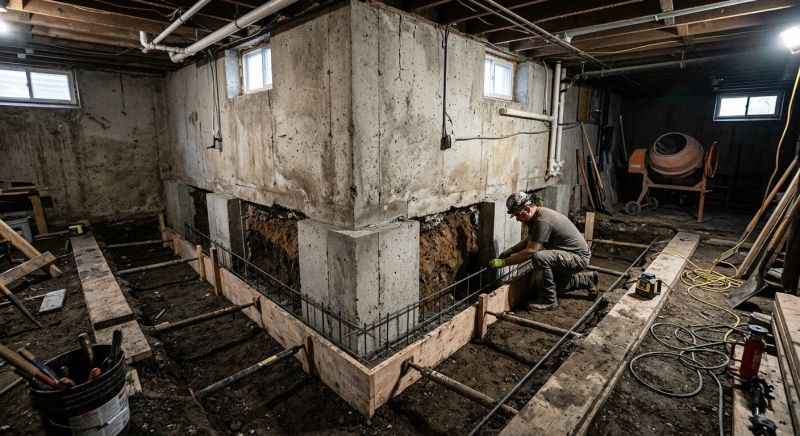
Understanding Basement Underpinning
This service enhances foundation stability and prevents future settling issues for homes in greenville.
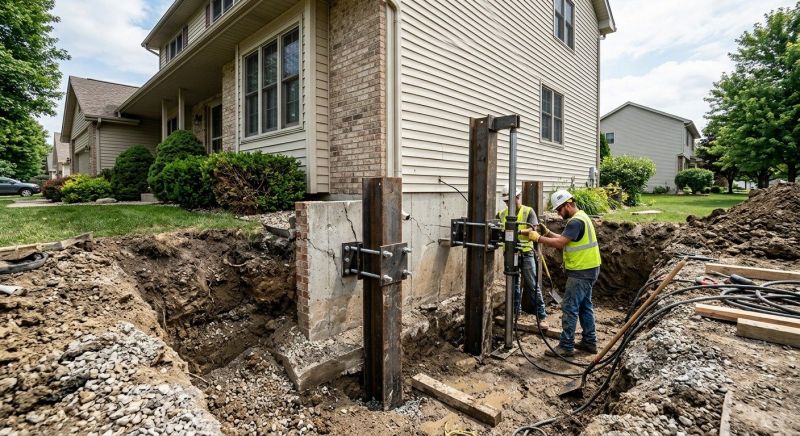
Reasons To Consider Underpinning
Common signs include cracks, uneven floors, or doors that won't close properly in greenville properties.
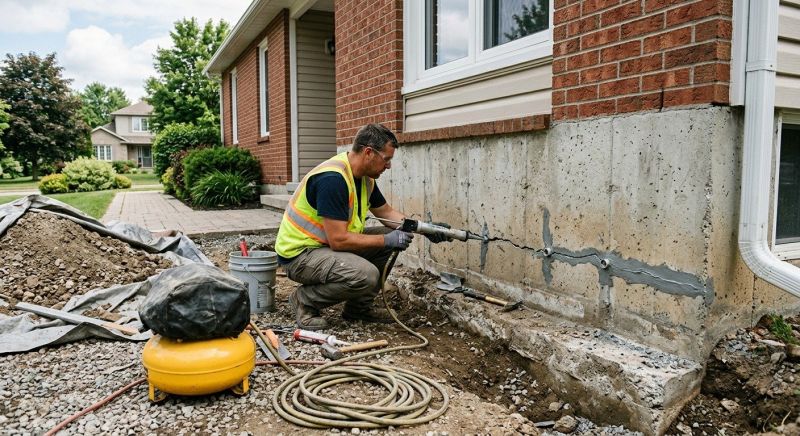
Benefits Of Professional Underpinning
Proper underpinning can increase the safety, value, and longevity of your basement space and overall home.
Basement Underpinning in Greenville, SC

Basement underpinning services involve strengthening and stabilizing the foundation of a property by extending or replacing the existing basement walls. This process is commonly used to increase ceiling height, repair settling or shifting foundations, or prepare a basement for finishing or additional construction. Projects may include underpinning for homes experiencing uneven floors, cracks, or other signs of foundation movement, as well as renovations that require a more stable and level basement space. Property owners typically want to understand the scope of underpinning work, the methods used to ensure stability, and how the process might impact their property during and after the project.
Before requesting basement underpinning, homeowners often seek information about the causes of foundation issues, the types of underpinning techniques suitable for their property, and the expected outcomes. It’s important to consider factors such as the current condition of the basement, the extent of structural repairs needed, and any potential disruptions during construction. Clarifying these details can help property owners make informed decisions about the best approach to strengthen and stabilize their basement, ensuring long-term durability and safety.
Many property owners in Greenville, SC look into Basement Underpinning for repairs, replacements, upgrades, and appearance-related improvements.
Common Basement Underpinning Jobs
Basement Underpinning - stabilizes and strengthens existing basement foundations to prevent settling.
Foundation Repair - addresses uneven or cracked basement floors caused by shifting soil.
Structural Reinforcement - enhances basement walls to support the weight of the building safely.
Foundation Lifting - raises sunken basement floors to restore level surfaces.
Drainage Improvements - prevents water intrusion that can weaken basement structures.
Basement Conversion Support - provides a stable foundation for finishing or expanding basement spaces.
Basement Underpinning Questions
What is basement underpinning? Basement underpinning involves strengthening and stabilizing the foundation to address issues like settling or cracks, ensuring the basement remains safe and functional.
When is underpinning necessary? Underpinning is needed when a basement shows signs of shifting, uneven floors, or structural concerns that require foundation reinforcement.
What types of projects typically require underpinning? Common projects include foundation repairs, basement conversions, or expanding basement space for additional rooms or storage.
How does underpinning improve a property? Underpinning enhances stability, prevents further settling, and can support renovations or expansions that require a solid foundation.
Request Basement Underpinning in Greenville, SC
Use the quote form on this page to share the basics of your project and request more information for the type of work you need.