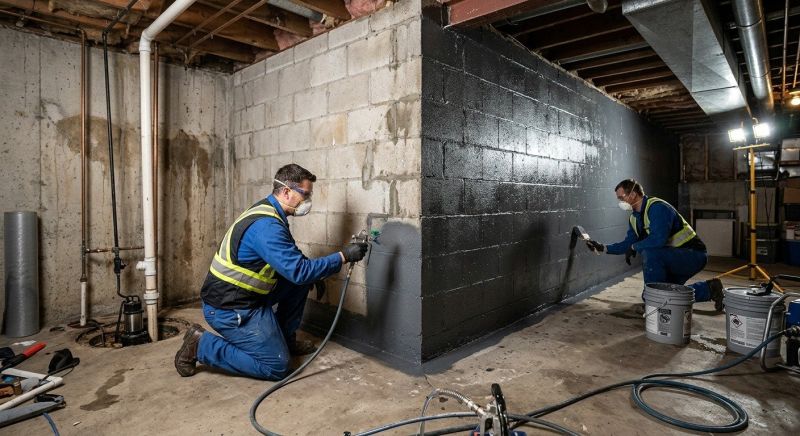
Basement Concrete Sealing in Grand Rapids, MI
Basement concrete sealing is a process designed to protect basement floors and walls from moisture intrusion, staining, and deterioration. This service is commonly requested for existing basements that experience dampness or water seepage, as well as for new construction projects where a protective barrier is desired. Property owners often seek sealing to enhance the durability of concrete surfaces, prevent mold growth, and maintain a cleaner, more attractive basement environment. Understanding the type of sealing product used and the condition of the existing concrete can help homeowners make informed decisions about their sealing needs.
Before requesting basement concrete sealing, property owners should consider the current state of their basement surfaces, including any cracks, existing moisture issues, or previous damage. It's important to identify whether the space requires a waterproof sealant, a stain-resistant coating, or a combination of both. Additionally, understanding the level of foot traffic or use of the basement can influence the choice of sealing materials and methods. Proper preparation of the concrete surface, such as cleaning and repairing any damage, is essential for optimal results and long-lasting protection.
Many property owners in Grand Rapids, MI look into Basement Concrete Sealing for repairs, replacements, upgrades, and appearance-related improvements.
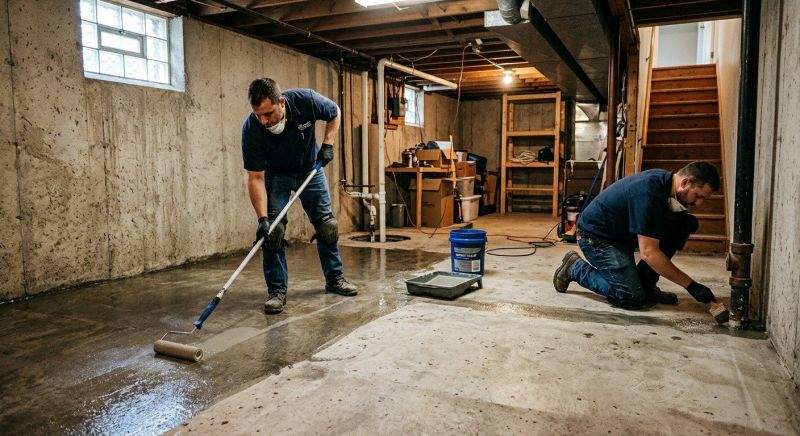
Basement Moisture Prevention
Sealing concrete helps protect basements from water intrusion and dampness.
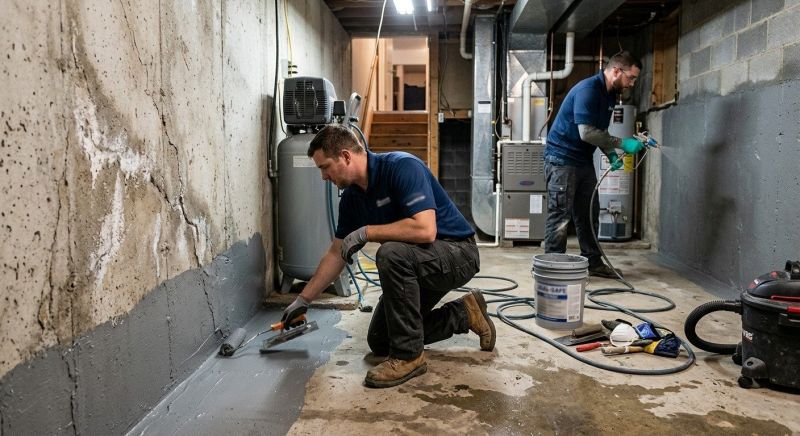
Enhanced Durability
Proper sealing extends the lifespan of basement concrete surfaces in grand rapids, mi.
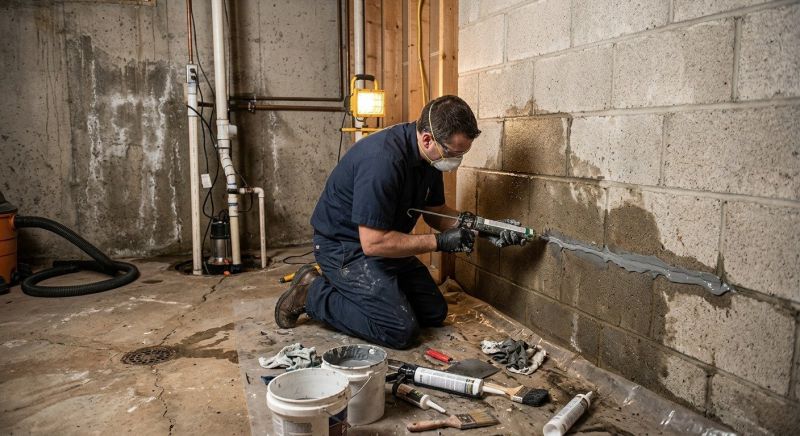
Improved Indoor Air Quality
Sealed basements reduce mold growth and improve overall indoor air conditions for homeowners.
Basement Concrete Sealing in Grand Rapids, MI

Basement concrete sealing is a process designed to protect basement floors and walls from moisture intrusion, staining, and deterioration. This service is commonly requested for existing basements that experience dampness or water seepage, as well as for new construction projects where a protective barrier is desired. Property owners often seek sealing to enhance the durability of concrete surfaces, prevent mold growth, and maintain a cleaner, more attractive basement environment. Understanding the type of sealing product used and the condition of the existing concrete can help homeowners make informed decisions about their sealing needs.
Before requesting basement concrete sealing, property owners should consider the current state of their basement surfaces, including any cracks, existing moisture issues, or previous damage. It's important to identify whether the space requires a waterproof sealant, a stain-resistant coating, or a combination of both. Additionally, understanding the level of foot traffic or use of the basement can influence the choice of sealing materials and methods. Proper preparation of the concrete surface, such as cleaning and repairing any damage, is essential for optimal results and long-lasting protection.
Many property owners in Grand Rapids, MI look into Basement Concrete Sealing for repairs, replacements, upgrades, and appearance-related improvements.
Common Basement Concrete Sealing Jobs
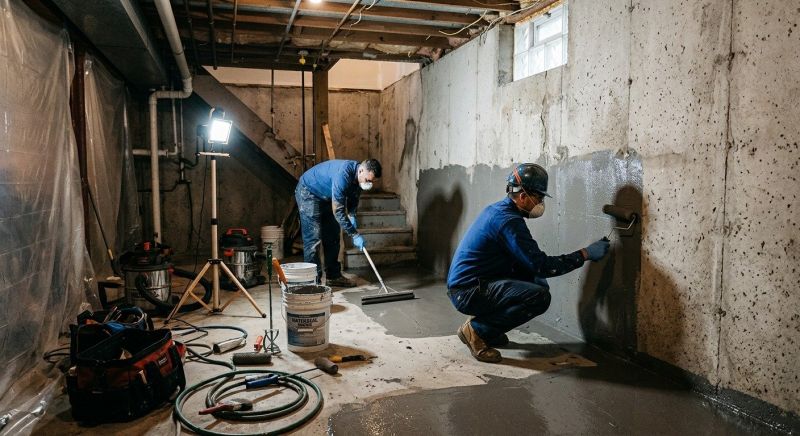
Basement floor sealing - helps protect concrete surfaces from moisture and stains.
Crawl space sealing - prevents water intrusion and reduces humidity levels.
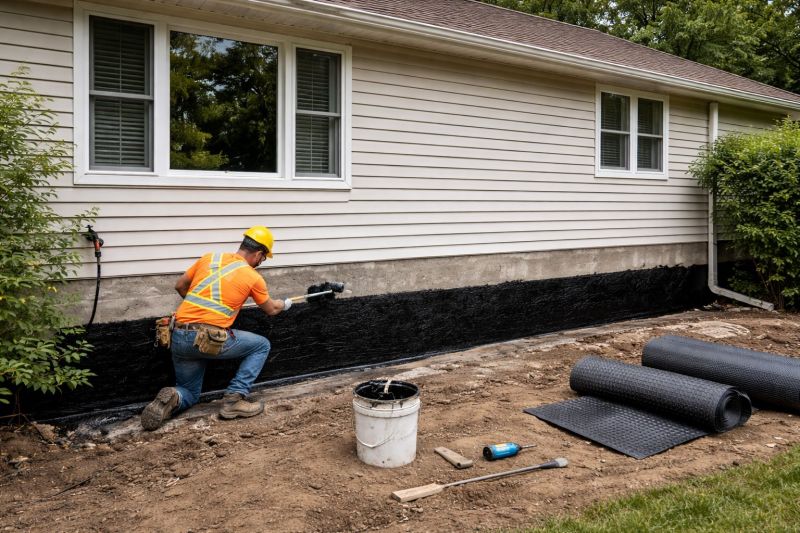
Foundation wall sealing - minimizes water seepage and potential structural damage.
Garage concrete sealing - enhances durability against vehicle traffic and weather exposure.
Wet basement sealing - addresses existing moisture issues to improve indoor air quality.
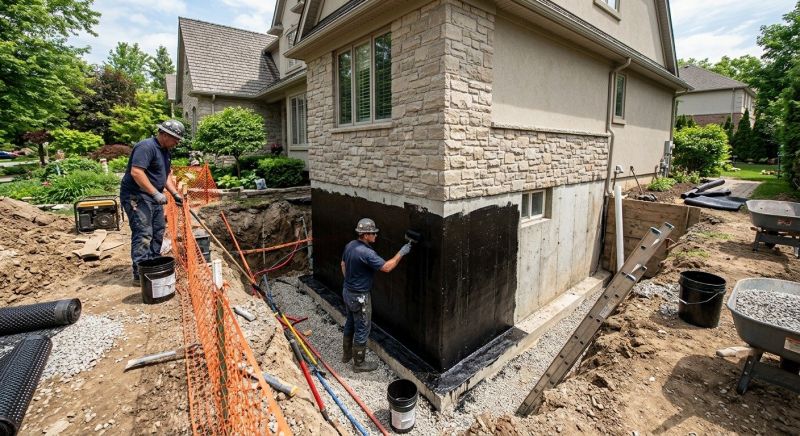
Exterior basement sealing - creates a barrier against groundwater and surface runoff.
Basement Concrete Sealing Questions
What is basement concrete sealing? It is a process that applies a protective coating to basement concrete surfaces to prevent moisture penetration and surface damage.
Why should homeowners consider sealing basement concrete? Sealing helps reduce water infiltration, minimizes cracking, and extends the lifespan of basement floors and walls.
What types of basement projects benefit from concrete sealing? Common projects include sealing basement floors, walls, and crawl spaces to improve durability and prevent dampness.
How often should basement concrete be resealed? Typically, resealing every few years helps maintain protection, depending on the level of exposure and wear.
Request Basement Concrete Sealing in Grand Rapids, MI
Use the quote form on this page to share the basics of your project and request more information for the type of work you need.